

SE in Taiwan
Home/SE in Taiwan/Addressing Difficult Life Issues with Compassion: Let Stray Animals End with Our Generation


Addressing Difficult Life Issues with Compassion: Let Stray Animals End with Our Generation



In early 2025, the latest stray dog statistics from the Ministry of Agriculture revealed that there were approximately 141,500 stray dogs in Taiwan, 11.34% less than the same survey two years ago. It was the first decline after the "Zero Killing Policy" was put into practice in 2017. The Ministry of Agriculture stated that the statistics are due to the effects of neutering and increased owner responsibility, aligning with the Association's long-term advocacy, "Let Stray Animals End with Our Generation."
The Association was launched 5 years ago and joined the "Multi-Employment Promotion Program (MEPP)" of the Ministry of Labor less than 3 years ago. It is an association joined by the name of Animal. Not only that, under the short, middle, and long-term working goals planned by Chairman Mr. Lin Yi-zhi, the Association gave an excellent record and obtained more project staff subsidies in 2 consecutive years.
Before the Association was launched in 2020, Mr. Lin Yi-zhi studied the methods of other animal protection organizations. "Most of the organizations existed in the short term, since the business of organizing stray dogs, including rescue, neutering, sheltering, and feeding, etc. In the end, those organizations usually can only build dog shelters." However, community residents don't like having a dog shelter near their homes. Building a dog shelter is also not easy.
"By the Name of Animal" to Join the Multi-Employment Promotion Program
First, Mr. Lin sets the Association's final goal: "Don't Let Our Loves Stray; Let Stray Animals End with Our Generation." The approaches, addressing both the symptoms and the root cause, should be implemented in 3 phases. Short-term: Implementing Trap-Neuter-Return (TNR Action); Medium-term: Visiting shops and residents in the community with pets to reinforce the awareness of pet registration and sterilization; Long-term: Promoting life education in schools at all levels.
The TNR Action is a compromise between "killing and ignoring." The Action both cares about the animals' rights and solves the descendant problems. Through a professional trap, the stray dogs and cats were sent for neutering surgery in the animal hospital and had a bit of their ears marked. After they are covered, the staff will send them back to the place where they had been caught, reducing the number of stray animals.
In the first two years, the Association was supported by a group of enthusiastic and loving animal people. The other fees were from the members' fees, donations, and the NT$300 TNR Action subsidies by the government per animal to support 90% of the Association's payment. The 3 staff members and 4 volunteers were totally focused on TNR action and maintaining the dog shelter. The arrangement was made because it took great effort to trap the sensitive and smart stray dogs. Although it takes 7 days to deal with a stray dog for full processing, the staff usually can trap a group of 5 to 20 stray dogs every time.
The neutering only takes a few minutes and is the easiest process. The dog shelter is the most challenging part since the nonstop barking and the odor of dog excrement repeatedly sparked community conflict, forcing the Association to relocate 3 times in 2 years. Fortunately, Mr. Lin Yi-zhi met the Chen family in Nantou, and both of them love and care for animals very much. Mr. Chen generously provided the Association with nearly 900 pings of vacant land in Zhongliao Township and even wrote the "Multi-Employment Promotion Program (MEPP)" application for the Association, securing a 3-year social-type program and 5 project staff positions. Mr. Lin admitted that no other similar organization had ever applied the program, and he was grateful for the helpfulness, like a timely rain, allowing him to fully visit and advocate for animal education locally.
Multi-Partners Actively Gave Lectures and Promoted Events with Enthusiastic Responses
In 2023, the multi-partner focused on making diverse promotion tools, visiting communities, and giving school lectures to broadcast the benefits of TNR Action. On the weekend, they held charity sales and adoption events in the crowded areas. In 2024, two new project staff members joined, and they separately visited shops and families in the community. Throughout the year, they hosted stray dog neutering lectures in seven areas, including Mingjian, Caotun, and Jiji Townships, and attracted over a thousand attendees.
They added 2 more project staff in 2025. This time, the Association went from passive to proactive, expanding home visiting to identify dogs that hadn't been neutered. With the promise of free pickup and surgery, 90% of the households agreed. There are 13 townships in Nantou, and they have visited 7 of them in a year, more than half of the total number.
Since Mr. Lin devoted himself to the business, the Association has implemented TNR Action to release on 14,000 stray dogs and expanded the area to Changhua and the Greater Taichung Area. It also expanded their target groups to stray cats and other wild animals, particularly those hurt by tools like boar snares and traps.
Mr. Lin encourages staff to build the brand vision in "Let Stray Animals Never Stray" of the Association's good vision. Furthermore, he began to develop products or service projects to increase the sources of income. For example, he sold cat litter scoops and nail clippers donated by the populace, as well as the beverage cups and bags designed and made by the staff. He also connects the local small shops, such as Koala Handmade Soap and Da-Jia Noodles, and launched a fundraising campaign in which the populace would give away small items in exchange for donations and invoices. In the future, if there is an appropriate place, he will encourage staff to launch related stories that provide business products, pet care, and related daily supplies. Once they have a stable income, they can further collaborate with brands for charity sales and expand their social impact.
He doesn't hide any skills and suggests that his project staff don't limit their career development to a similar industry. All the career skills they have learned in the training, including sales communication, computer documentation, and administration, are suitable for tourism guiding and related work. "Of course, if those partners have the vision in love and care for animals and keep their passion for animal protection, once they pass the examination and become the internal workers, I'll fully welcome them!"
Official Facebook Page of Long Love Stray Animal Care Association

She used to work in the manufacturing industry, primarily negotiating with upstream and downstream manufacturers within a clearly defined scope and communication. In 2015, she resigned from that job to care for her baby and didn't look for jobs until her kid started elementary school. "At that time, I felt disconnected from society for years and had a strong sense of uncertainty."
Ms. Cai joined the Association through the recommendation of the job center. She designed and implemented the promotion lectures, hosted charity sales, and visited families with the other Association partners. Now, she is the project manager, shared her biggest reward from the prior internal work to this outdoor visiting work within the past 3 years is finding her career familiarity and working ability.

▲The staff of Lang Love Stray Animal Care Association often visits the communities, shops, and schools to advocate life education in the Greater Taichung Area.

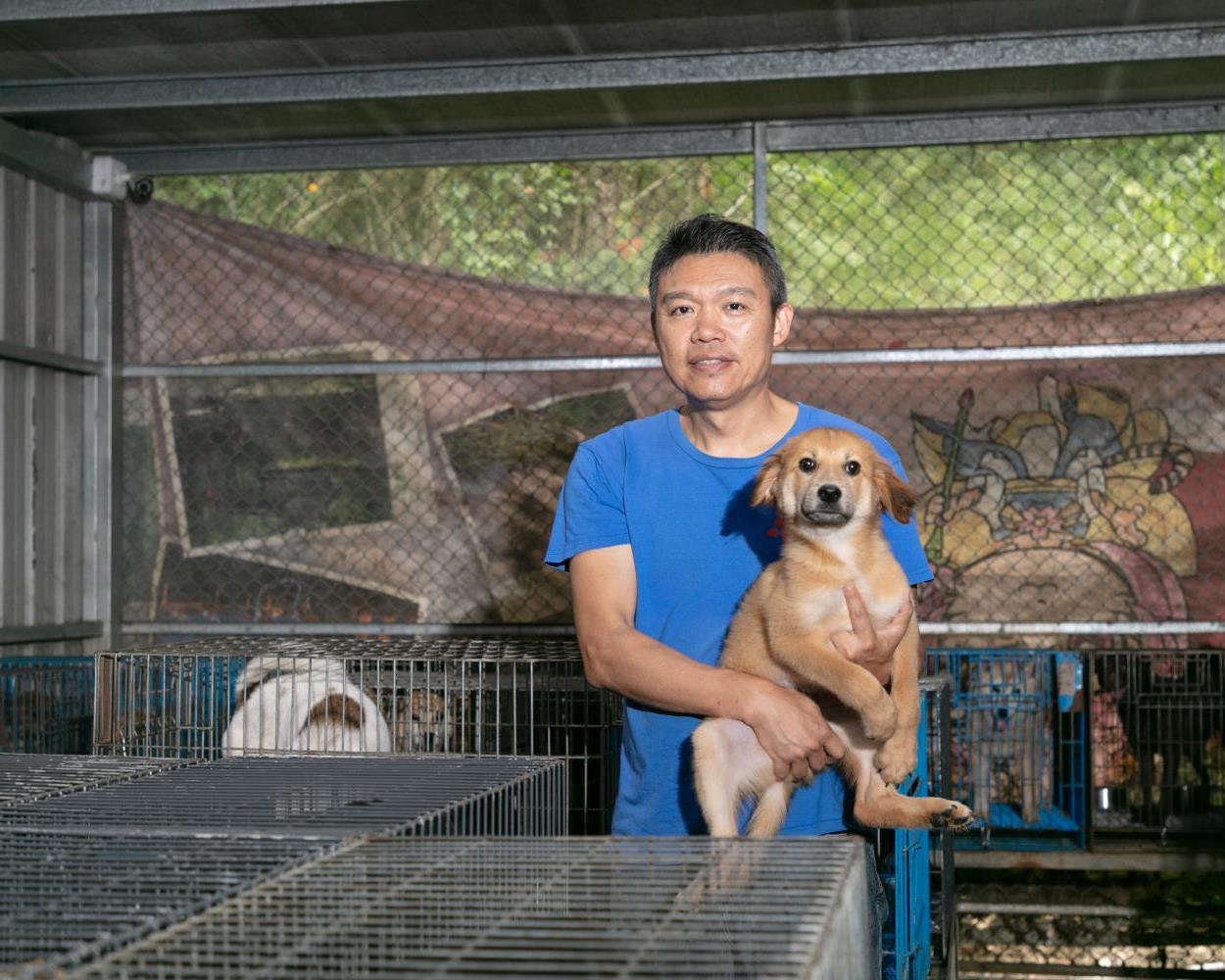
▲Mr. Lin Yi-zhi, the Chairman of Lang Love Stray Animal Care Association, stated: "The level of friendliness to animals is an indicator of a civilized country. Making Taiwan an animal-friendly country should be the responsibility of all citizens."
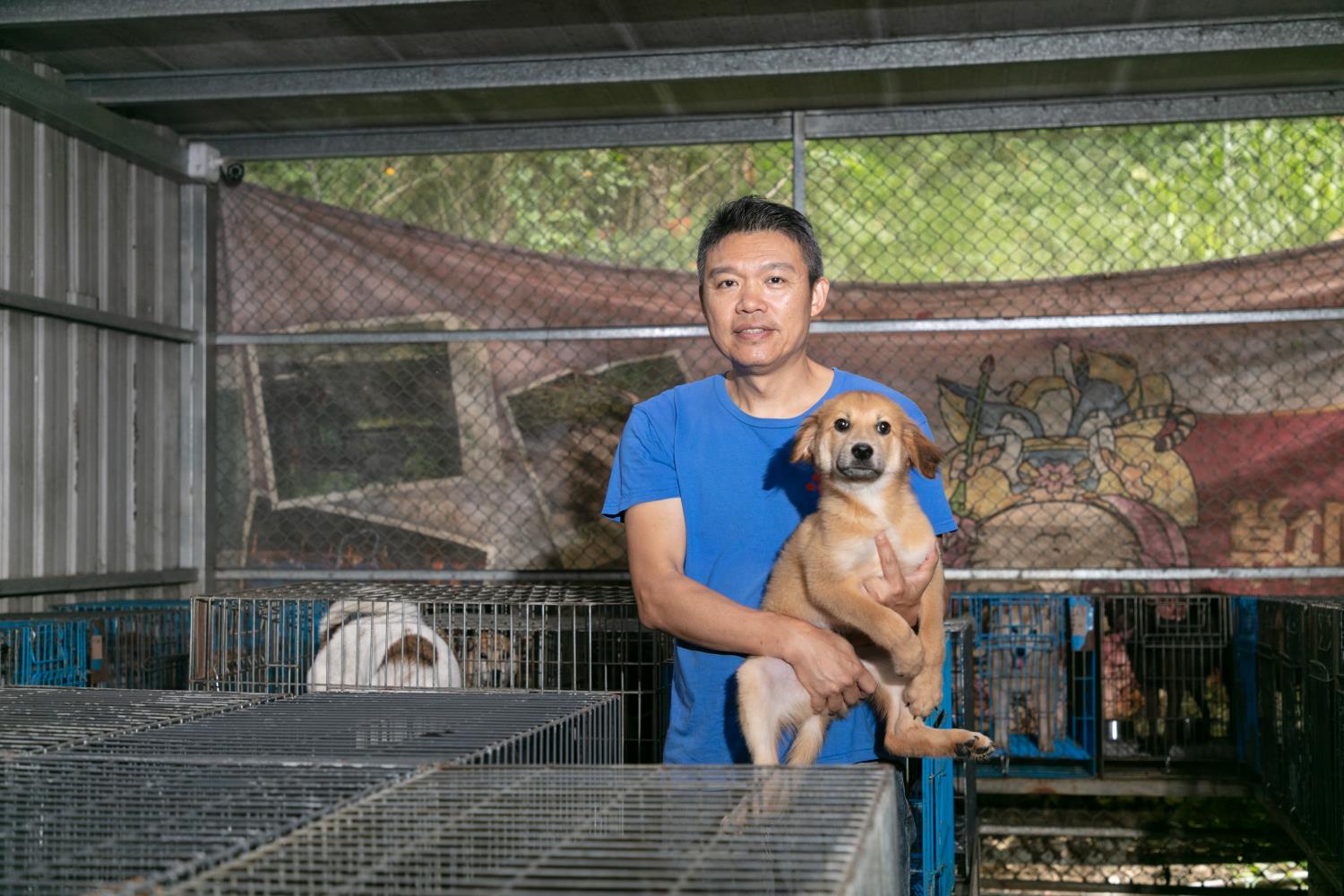
▲With the supportive workforces of the "Multi-Employment Promotion Program," the TNR efficiency has increased significantly. The Association has released 14,000 stray dogs until now.
Case Story: Multi-Employment Promotion Program
Interviewee: Lang Love Stray Animal Care Association

This work is licensed under a Creative Commons Attribution-NoDerivatives 4.0 International License.
Please attribute this article to“Workforce Development Agency, Ministry of Labor.”